Top 12 Mukut, Divine Jewellery, and Mala Combos to Elevate Krishna Dress Looks
Raman Kunj, Krishna dress, Laddu Gopal shringar, Mukut, Krishna crown, Divine jewellery, Mala, Pearl mala, Tulsi mala, Kundan jewellery, Janmashtami shringar, Radha Krishna dress, Temple decor, Pooja accessories, Bal Gopal
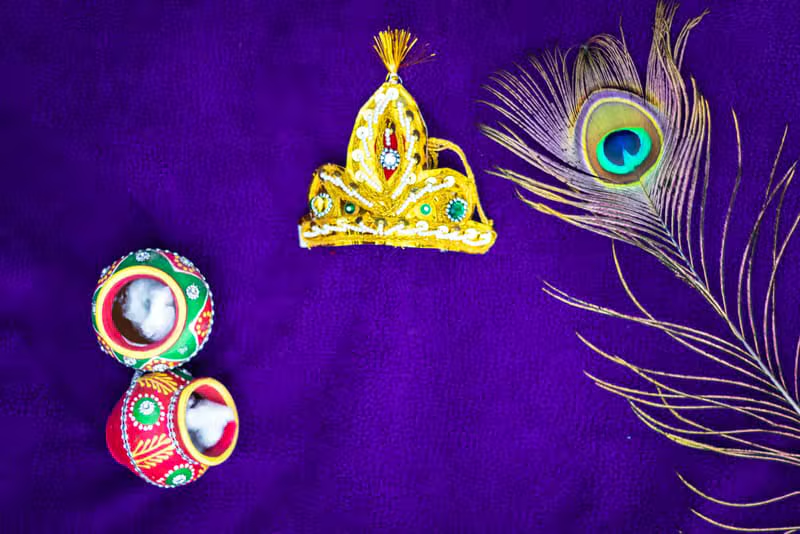
Raman Kunj style guide for Krishna Shringar
A beautiful Krishna dress looks complete only when the crown, jewellery, and mala feel like one thoughtful set. Whether you dress Laddu Gopal for daily darshan or create a grand Shringar for Janmashtami, the right combo adds instant divinity, balance, and photogenic charm. A Mukut sets the mood, divine jewellery adds sparkle and royal character, and a mala brings devotional softness that frames the face and chest area beautifully.
This article from Raman Kunj presents a carefully curated list of twelve Mukut, divine jewellery, and mala combos that elevate Krishna dress looks across seasons, festivals, and day to day temple aesthetics. Each combo includes color direction, styling tips, and practical guidance so your Shringar feels secure, comfortable, and proportionate for the idol size.
Quick checklist before you choose a Mukut, jewellery, and mala combo
- Match scale, not just style: A tall Mukut needs slightly heavier or layered malas. A small idol looks best with a compact Mukut and a single mala or short layered mala.
- Balance shine with devotion: If the Mukut is heavily stone studded, choose a simpler mala like tulsi, pearls, or small beads. If the mala is bold, keep jewellery refined.
- Consider dress fabric: Velvet and silk support heavier pieces. Cotton and light net outfits look best with light Mukut and delicate jewellery.
- Secure points matter: Prefer Mukut with soft base, adjustable strings, or clips. Keep small pins or threads ready to stabilize earrings, necklaces, and malas.
- Skin and paint safety: Avoid sharp edges and rough metal at contact points. Line the Mukut with a soft cloth strip if needed.
- Color theory helps: Choose either a complementary contrast, like yellow dress with blue stones, or tonal harmony, like pink dress with rose gold and pearls.
- Keep one hero element: Decide what is the highlight, the Mukut, the mala, or a pendant. Let the other pieces support it.
- Plan for darshan time: If you change dresses often, pick sets that are easy to put on and remove without tangling.
Top 12 Mukut, Divine Jewellery, and Mala Combos to Elevate Krishna Dress Looks
1) Classic Mor Pankh Mukut, Kundan Kanthi, and Tulsi Mala
This is the timeless Krishna look that works for almost every dress color and every idol size. A Mor Pankh Mukut gives that instantly recognizable Vrindavan identity. Pair it with a kundan kanthi or short necklace that sits close to the neck, then soften the sparkle with a tulsi mala. The tulsi beads add a devotional texture that looks especially beautiful when the dress fabric is shiny, such as silk, satin, or brocade.
- Best dress colors: Yellow, peacock green, royal blue, white, and saffron.
- Jewellery add ons: Small kundan earrings and a subtle waistband or kamarband if your idol size supports it.
- Styling tip: Keep the tulsi mala slightly longer than the kanthi so both are visible. If you use two tulsi malas, let one be shorter and one be longer for a gentle layered effect.
- Occasions: Daily darshan, temple visits, Ekadashi, Janmashtami mornings, and simple home pooja setups.
- Care tip: Keep tulsi mala away from perfumes and oils. Store it in a dry cloth pouch so the beads do not dull.
2) Gold tone Mukut with ruby accents, pearl mala, and temple style earrings
If you want a regal Shringar that still feels soft and graceful, combine a gold tone Mukut with ruby red accents, a medium length pearl mala, and classic temple style earrings. Pearls brighten the face area and reflect light gently, which looks wonderful in photos and evening aarti. Ruby accents add auspicious warmth, especially when paired with red, maroon, or pink dress borders. This combo feels festive without becoming too heavy.
- Best dress colors: Cream, red, maroon, magenta, coral, and golden yellow.
- Jewellery add ons: A small pendant locket at the center of the pearl mala, or a tiny nose pin if your idol styling allows it.
- Styling tip: Keep the pearl mala centered and untwisted. A slight twist can look messy under lights. Secure the clasp behind the neck with a soft thread.
- Occasions: Janmashtami evening, Diwali, wedding themed Shringar, and special family functions.
- Care tip: Wipe pearls gently with a dry soft cloth after use, and keep them away from moisture to maintain their shine.
3) Silver plated Mukut, minimal divine jewellery, and white crystal mala
For devotees who love a calm, moonlit aesthetic, a silver plated Mukut paired with minimal jewellery and a white crystal mala creates a serene Krishna dress look. Silver tones suit cool colored outfits and give a clean, sattvik feel, especially for morning darshan. The crystal mala adds sparkle but in a subtle way, making the face and tilak stand out clearly. This is also an excellent choice when you want the dress embroidery to remain the highlight.
- Best dress colors: White, sky blue, lavender, mint green, and silver grey.
- Jewellery add ons: A thin silver toned armlet or a small bracelet on one hand, kept lightweight.
- Styling tip: Use only one statement piece besides the Mukut, either a small pendant or slightly larger earrings. Let the crystal mala do the brightening work.
- Occasions: Sharad Purnima, Monday darshan themes, calm home mandir setups, and minimalistic decor days.
- Care tip: Store silver plated pieces away from humidity. Use anti tarnish paper if possible, and avoid water contact.
4) Floral Mukut, rose bead mala, and delicate gold tone bangles
When you want Krishna to look like the beloved of Vrindavan, a floral Mukut with a rose bead mala creates a fresh, garden like Shringar. The floral elements can be artificial flowers, fabric flowers, or a Mukut designed with floral motifs. The rose bead mala adds a sweet devotional fragrance association even if it is not real rose, because the visual reminds the mind of pushp seva. Pair with delicate bangles or tiny kadas for a gentle finishing touch.
- Best dress colors: Pink, pastel peach, white, light green, and floral printed outfits.
- Jewellery add ons: Tiny earrings and a small pendant necklace, kept short so it does not compete with the rose mala.
- Styling tip: Place a small floral hair accessory near the side curl or braid style of the idol, then keep the Mukut slightly forward for a fuller floral frame.
- Occasions: Phool Bangla themes, spring festivals, Radha Ashtami pair dressing, and daytime celebration darshan.
- Care tip: Keep floral Mukut away from direct sunlight when stored, so colors stay vibrant.
5) Emerald green stone Mukut, layered pearl mala, and kundan choker
This combo is for a classic royal Krishna look where green becomes the hero color. An emerald green stone Mukut instantly pairs with peacock themes and looks stunning with yellow or cream dresses. Add a layered pearl mala, ideally two or three strands, to create fullness at the chest. Finish with a kundan choker or short necklace that sits at the neck line. The result feels rich, symmetrical, and camera ready, perfect for close up darshan photos.
- Best dress colors: Yellow, cream, green, peacock blue, and gold.
- Jewellery add ons: Matching green stone earrings and a subtle waistband if your dress has a clear waist line.
- Styling tip: Keep the choker snug but not tight. For small idols, choose a narrow choker and fewer pearl layers so the face does not look crowded.
- Occasions: Janmashtami, temple utsav, special family pooja, and peacock themed darshan.
- Care tip: Avoid pulling on layered pearl strands. Always lift them from the clasp area to prevent stretching.
6) Rajwadi tall Mukut, heavy kundan mala, and full Shringar set
Sometimes the moment calls for a grand, palace style Shringar. A tall Rajwadi Mukut, paired with a heavy kundan mala and a coordinated jewellery set, creates that majestic Krishna dress look. This is best reserved for festivals, large idols, or special decor days because the visual weight is significant. The key is to keep everything aligned and symmetrical so the grandeur looks refined, not chaotic. Choose a kundan mala with a center pendant that sits perfectly in the middle of the chest and add matching earrings and a small armlet.
- Best dress colors: Royal blue, deep red, wine, heavy gold, and dark green.
- Jewellery add ons: Earrings, armlets, a waistband, and anklets if your idol is dressed in a way that shows the feet.
- Styling tip: Use a hidden thread or pin to stabilize the pendant so it does not swing and disturb the final look.
- Occasions: Janmashtami midnight darshan, Diwali, Annakut, and major temple celebrations.
- Care tip: Store each piece separately in soft cloth to prevent stone scratching and tangling.
7) Lightweight summer Mukut, small pearl mala, and soft minimal jewellery
In warmer months, comfort and ease matter. A lightweight Mukut, preferably with a soft base and fewer heavy stones, paired with a small pearl mala and minimal jewellery creates a fresh and breathable Krishna dress look. This is ideal for cotton dresses, light net dresses, and pastel outfits. The pearl mala gives a clean brightness without adding much weight. Minimal jewellery, like small studs or tiny earrings, ensures the idol remains easy to dress daily without spending too much time untangling pieces.
- Best dress colors: Pastel yellow, baby blue, mint, peach, and white.
- Jewellery add ons: One small pendant or a simple bracelet, not both, to keep it light.
- Styling tip: If your Mukut has a tie string, tie it gently and tuck the ends neatly behind so the side profile remains clean.
- Occasions: Daily summer darshan, travel mandir setups, and quick morning routines.
- Care tip: After use, let the Mukut air out for a few minutes so sweat or humidity does not affect the base material.
8) Velvet winter Mukut, rudraksha mala, and antique gold jewellery
Winter Shringar can look especially rich because deeper fabrics like velvet and wool blends hold their shape. Choose a velvet based Mukut in maroon, navy, or bottle green, then pair it with a rudraksha mala for a grounded devotional feel. Add antique gold jewellery, such as small temple earrings or a short antique necklace, to complete the warm palette. This combination works beautifully when you want a slightly traditional and serious mood for the season, while still keeping Krishna’s charm alive.
- Best dress colors: Maroon, navy, deep green, mustard, and beige with warm borders.
- Jewellery add ons: A small antique gold waistband if the dress has a plain waist area that needs definition.
- Styling tip: Keep rudraksha mala as the main devotional element and avoid adding too many extra bead layers. One or two strands are enough for a dignified look.
- Occasions: Winter pooja, Makara Sankranti themes, and calm evening aarti setups.
- Care tip: Brush velvet gently with a soft cloth. Store velvet Mukut in a box so it does not get flattened.
9) Radha Krishna coordinated set, matching Mukut styles, and twin malas for harmony
If you dress Radha and Krishna together, coordination creates a powerful visual harmony. Choose Mukut styles that match in quality and theme, such as both being kundan style or both being floral style, while keeping slight differences in color to reflect their unique identities. Pair Krishna with a peacock accent Mukut and Radha with a floral accent Mukut. Then select twin malas that share a common element, like pearls on both, or similar bead size. Add jewellery that mirrors each other, such as matching earrings or similar necklaces, so the pair looks intentionally styled rather than randomly decorated.
- Best dress colors: Radha in pink or red tones, Krishna in blue or yellow tones, with shared gold or pearl accents.
- Jewellery add ons: Matching small necklaces, coordinated earrings, and a shared theme in waist belts.
- Styling tip: Keep the malas at the same length level for both idols. Misaligned lengths can make the pair look uneven in photos.
- Occasions: Radha Ashtami, Jhulan Yatra, couple darshan themes, and festival decorations.
- Care tip: Store the pair sets together in labeled pouches so matching pieces do not get mixed with other sets.
10) Peacock blue Mukut, sapphire tone mala, and anklet focused jewellery
Krishna’s charm often shines through playful details, and anklets can become the highlight when the dress reveals the feet. Pair a peacock blue Mukut with a sapphire tone mala, such as blue beads or a blue stone necklace, then choose jewellery that draws attention downwards, like delicate anklets or ghungroo style payal. Keep the neck jewellery moderate so the blue mala remains the main element. This combo looks especially striking with white, yellow, or gold outfits because blue becomes a clean contrast that feels divine and iconic.
- Best dress colors: White, yellow, gold, cream, and light green.
- Jewellery add ons: Anklets, a simple bracelet, and small earrings to support the blue theme.
- Styling tip: If your idol stands or has visible feet, place the anklets evenly and ensure they do not snag on the hem of the dress.
- Occasions: Dance themed darshan, Krishna leela themes, and photo focused Shringar days.
- Care tip: Keep blue bead malas away from harsh chemicals so the color does not fade, especially if they are dyed beads.
11) Simple daily darshan combo, compact Mukut, single pearl mala, and a tiny pendant
Not every day needs a heavy Shringar, but daily darshan still deserves beauty. A compact Mukut that fits comfortably, a single pearl mala, and a tiny pendant give a clean and devotional Krishna dress look that feels disciplined and elegant. This combo is also perfect for devotees who prefer quick dressing routines, or for small idols where heavy jewellery can look oversized. The pearl mala frames the face, the tiny pendant adds a focal point, and the Mukut completes the identity of Shri Krishna without excessive weight.
- Best dress colors: Any, especially simple cotton outfits and light embroidered dresses.
- Jewellery add ons: Small studs or tiny earrings only, and optionally a thin waistband.
- Styling tip: Keep the pendant centered using a small stitch of thread behind the necklace if it keeps shifting during handling.
- Occasions: Daily pooja, office schedule days, travel days, and minimalist mandir decor.
- Care tip: Create a small daily Shringar box where these three items stay ready. It reduces damage caused by frequent searching and pulling.
12) Grand festival combo, multi layer Mukut, satlada pearls, and complete divine jewellery
For the biggest days of the devotional calendar, go all in with a grand festival combo. Choose a multi layer Mukut that has depth, height, and stone detailing, then pair it with satlada style pearls, meaning multiple layers of pearls that create a full, royal chest frame. Complete the look with divine jewellery, including matching earrings, armlets, a waistband, and anklets if suitable. The key is proportion and neat arrangement. When done well, the layers look like a single masterpiece rather than separate pieces.
- Best dress colors: Heavily embroidered outfits in royal blue, red, gold, green, or dual tone silk.
- Jewellery add ons: Full set, earrings, armlets, waistband, anklets, and a central pendant that aligns with the satlada layers.
- Styling tip: Arrange layers from shortest to longest, then gently separate each strand so they fan out evenly. Take one photo from the front and correct symmetry before final darshan.
- Occasions: Janmashtami, Diwali, Annakut, temple utsav, and grand home celebrations.
- Care tip: After use, untangle immediately. Store satlada pearls in a wide box to avoid tight bends that can weaken threads.
Extra tips to make any combo look more premium
- Use a consistent metal tone: If the Mukut is gold tone, keep most jewellery gold tone. Mixing silver and gold can work, but it must be intentional and limited.
- Keep the face area clear: Avoid placing too many items near the cheeks. Let the eyes, tilak, and smile remain visible.
- Mind the neckline: A high neck dress needs a shorter necklace. A deep neck dress can carry longer malas beautifully.
- Layer with purpose: If you use multiple malas, make sure each has a different length and slightly different bead size or texture so layering looks elegant.
- Secure the Mukut first: Set the Mukut and peacock feather position before adding necklaces. It prevents repeated touching and shifting.
- Choose one contrast accent: For example, a green stone Mukut with a pink dress can look stunning, but keep the mala and jewellery within a calm palette to avoid visual noise.
- Photograph check: Take a quick photo and zoom in. Small misalignments in pendant center or tilted Mukut are easier to fix when you see them on screen.
Care and storage basics for Mukut, divine jewellery, and malas
- Separate storage: Keep Mukut in a box, jewellery in small pouches, and malas in individual zip covers to prevent tangles.
- Dry hands rule: Always handle pearls, plated pieces, and fabric Mukut with clean, dry hands.
- Gentle cleaning: Use a dry soft cloth for most items. Avoid water on plated and stone pieces unless you know the material is water safe.
- Avoid incense smoke exposure for long periods: It can dull stones and plating over time. Let pieces rest away from continuous smoke when not in use.
- Check strings and clasps: Malas often loosen over time. A small preventive repair keeps your Shringar safe during darshan.
Closing thought
The best Shringar is the one that feels devotional, balanced, and lovingly arranged. Use these twelve combos as ready templates, then adjust by idol size, dress fabric, and the mood of your mandir. When you keep proportion, comfort, and harmony in mind, even a simple Mukut, a small jewellery piece, and a single mala can create an elevated Krishna dress look. For more curated Shringar ideas and coordinated sets, Raman Kunj encourages you to build a few dependable combos, one for daily darshan, one for seasonal changes, and one for grand festivals.